The Top Safety Features You Should Look for When Buying a Car

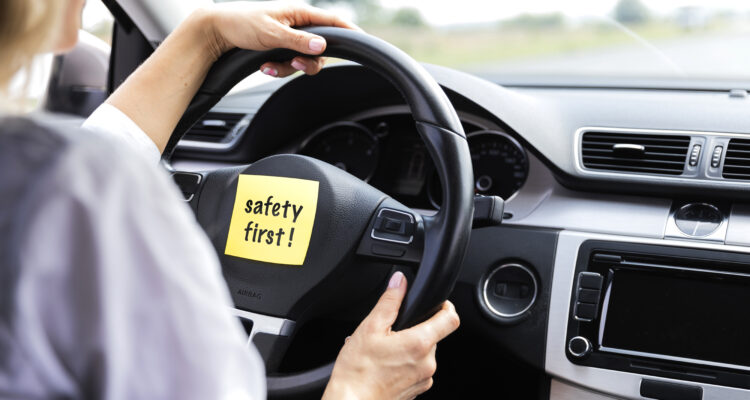
When buying a new or used car, one of the most important factors to consider is safety. Whether you’re driving around town, on the highway, or even on long road trips, having the right safety features can make a significant difference in protecting you and your passengers. In this article, we’ll discuss the top safety features you should look for when purchasing a car to ensure your peace of mind and security.
1. Airbags – A Must-Have for Protection
Airbags are one of the most important safety features in any vehicle. They are designed to inflate quickly in the event of a collision, reducing the risk of injury by cushioning the impact. Most modern cars are equipped with front airbags for both the driver and passenger, as well as side airbags for added protection during side-impact collisions.
-
What to look for:
-
Front airbags (driver and passenger)
-
Side-curtain airbags for head protection
-
Knee airbags for lower body protection
-
Rear side airbags (in some models)
-
2. Anti-lock Braking System (ABS)
An Anti-lock Braking System (ABS) helps you maintain control of your car during an emergency stop, preventing the wheels from locking up and skidding. This system works by automatically modulating brake pressure to ensure the car slows down without losing traction, even on slippery surfaces.
-
What to look for:
-
ABS is standard on most modern vehicles
-
Helps prevent skidding in emergency situations
-
Enhances braking performance on wet or icy roads
-
3. Electronic Stability Control (ESC)
Electronic Stability Control (ESC) is a vital safety feature designed to prevent loss of control of your car during extreme steering maneuvers. ESC works by detecting when a car is losing traction and applies the brakes to individual wheels to help steer the car back in the right direction. It’s especially useful in wet or slippery conditions.
-
What to look for:
-
ESC is mandatory on most new cars in many countries
-
Great for preventing rollovers and skidding
-
Works automatically to maintain control of the car
-
4. Blind Spot Monitoring
Blind Spot Monitoring uses sensors to detect vehicles in your blind spot—the areas around your car that are difficult to see through mirrors. If another vehicle is detected, a light or alert will warn you to take extra caution when changing lanes or merging onto highways.
-
What to look for:
-
Warning lights on side mirrors or dashboard
-
Alerts when a vehicle is detected in your blind spot
-
Helps prevent accidents during lane changes
-
5. Lane Departure Warning and Lane-Keeping Assist
Lane Departure Warning uses cameras and sensors to monitor the lane markings on the road. If your vehicle unintentionally drifts out of its lane, an alert will warn you. In some cases, Lane-Keeping Assist will even steer the car back into the lane automatically.
-
What to look for:
-
Lane Departure Warning (LDW) alerts for unintentional lane shifts
-
Lane-Keeping Assist (LKA) for active steering intervention
-
Especially beneficial for highway driving
-
6. Rearview Camera and Parking Sensors
A rearview camera helps drivers see what’s behind the vehicle when reversing, making it easier to avoid obstacles, pedestrians, or other vehicles. Many cars today also come equipped with parking sensors that emit a sound when you’re getting too close to an object, adding an extra layer of protection.
-
What to look for:
-
High-quality rearview camera with wide-angle vision
-
Parking sensors to help detect objects behind you
-
Backup assist with visual and audio cues
-
7. Traction Control System (TCS)
The Traction Control System (TCS) is designed to prevent wheel spin by reducing engine power or applying brakes to the wheels that are losing traction. It’s particularly helpful when driving on slippery surfaces like wet roads, snow, or ice, as it ensures that your car maintains grip on the road.
-
What to look for:
-
Traction control works automatically to prevent loss of grip
-
Helps in adverse weather conditions like rain or snow
-
A key feature for vehicles with rear-wheel drive
-
8. Automatic Emergency Braking (AEB)
Automatic Emergency Braking (AEB) is a relatively new but rapidly growing safety feature that helps avoid collisions by applying the brakes automatically when the system detects an imminent crash. AEB is particularly effective in low-speed urban traffic and can prevent accidents from happening, or reduce their severity.
-
What to look for:
-
Front sensors and cameras that detect potential collisions
-
Automatic braking when an obstacle is detected ahead
-
Can be a life-saving feature in high-traffic areas
-
9. Pedestrian Detection System
Some modern cars are equipped with pedestrian detection systems that use sensors and cameras to identify pedestrians in the vehicle’s path. If a pedestrian is detected and no action is taken by the driver, the system will apply the brakes to avoid a collision or lessen the impact.
-
What to look for:
-
Pedestrian detection that works in both day and night conditions
-
Integrated with AEB to prevent accidents with pedestrians
-
Helps protect both pedestrians and occupants
-
10. Adaptive Cruise Control
Adaptive Cruise Control (ACC) is a safety feature that adjusts the car’s speed to maintain a safe following distance from the vehicle ahead. Unlike regular cruise control, ACC can slow down or speed up the car automatically based on traffic conditions, reducing the need for constant speed adjustments.
-
What to look for:
-
Automatic speed adjustment based on traffic flow
-
Great for long drives and highway use
-
Reduces the likelihood of rear-end collisions
-
Conclusion: Safety First
When buying a car, prioritizing safety should be a top consideration. Modern vehicles come with a variety of advanced safety features designed to protect you and your passengers in various driving conditions. From airbags and ABS to lane-departure warnings and adaptive cruise control, these safety features are essential for ensuring a safe driving experience.
Before making your purchase, make sure to check for these important features and ask the dealer about additional safety options available. Your safety and peace of mind on the road are worth the investment.


